

Keeping up with what's happening in your neighborhood isn't as simple as glancing at the evening news anymore. Whether you're moving to a new area, walking the dog after dark, commuting home late from work, or simply trying to stay informed about your community, timely information can make a real difference.
Today, neighborhood safety is about more than crime statistics. Road closures, fires, severe weather, package thefts, suspicious activity, and other local incidents can all affect your daily routine. The challenge is finding reliable information without getting overwhelmed by rumors, misinformation, or constant notifications that create more stress than awareness.
That's where neighborhood safety apps come in. The best platforms combine real-time alerts, community reports, and historical data to help users better understand what's happening around them. Some focus on emergency incidents as they unfold, while others provide local discussions, video evidence, or long-term crime trends.
Of course, no app can guarantee personal safety or provide a complete picture of every situation. However, when used thoughtfully, these tools can help you make better decisions, stay informed about potential risks, and feel more connected to your local community.
To help separate genuinely useful apps from the crowded field of safety platforms, we reviewed some of the most popular options available in 2026. After comparing features, ease of use, data quality, and overall usefulness, these are the neighborhood safety apps that stand out from the competition.
Pricing: Free (optional Citizen Plus and Citizen Premium subscriptions)
If you want “breaking news” in your immediate area, Citizen remains the go-to app. It monitors 911 dispatches and translates them into real-time notifications, often before local news outlets have even arrived.
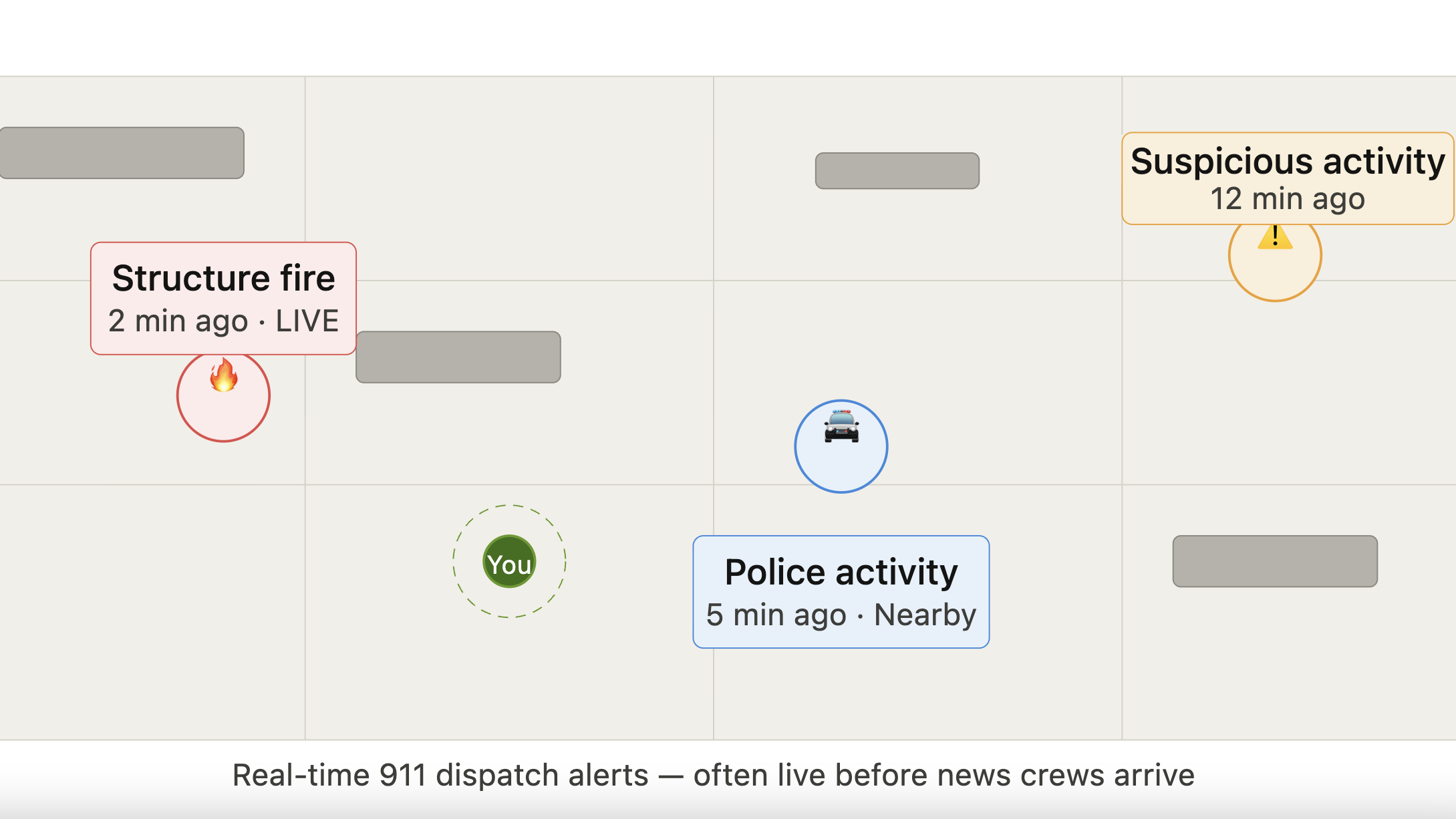
How it Works: Citizen’s standout feature is the Incident Map. When a 911 call is placed nearby—be it a car chase, fire, or suspicious activity—the app drops a pin on the map. Some events even come with user-uploaded live video, letting you see what’s happening firsthand.
Pros:
Real-Time Alerts: Unmatched speed for active police and fire incidents.
Crowdsourced Video: Get context that a text alert can’t provide.
Custom Zones: Set alerts for your office, children’s school, or family homes.
Cons:
Anxiety Factor: Constant alerts can feel overwhelming; not every call is an emergency.
Best in Cities: Performance is strongest in large US metro areas; rural coverage is limited.
Tip: Use the watch zones feature selectively to avoid alert fatigue.
Pricing: Free
Nextdoor isn’t a traditional “crime app,” but it’s invaluable for hyperlocal context. Where Citizen tells you what is happening, Nextdoor explains why it matters.
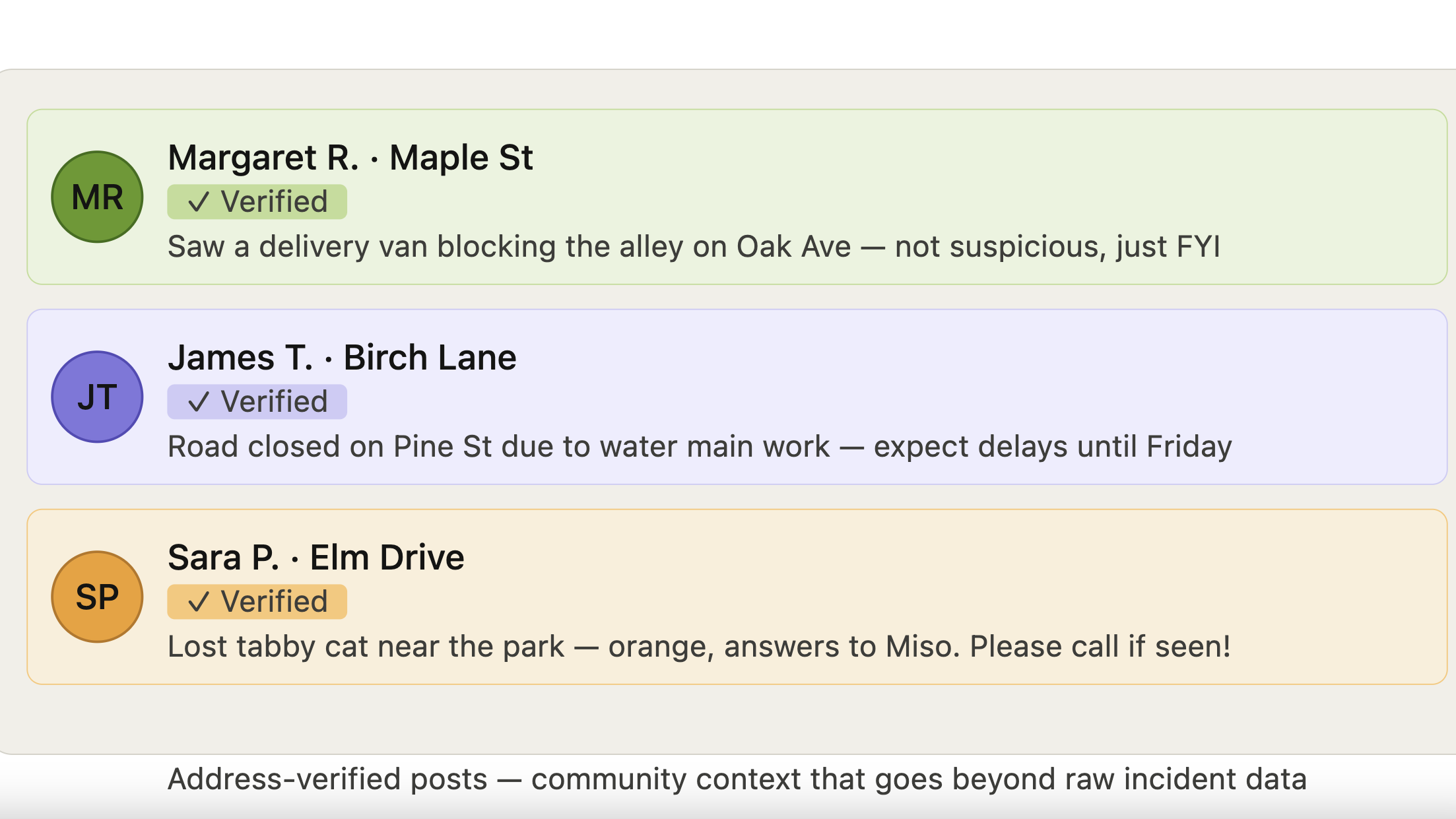
How it Works: Users post about suspicious activity, road closures, or local concerns. Since accounts are tied to verified addresses, the information tends to be grounded and community-focused.
Pros:
Verification: Address-based registration discourages spam and trolling.
Neighborhood Insight: Threads often clarify minor events, like distinguishing between a delivery driver and a suspicious stranger.
Dual Purpose: Use it to find a lost pet, plan a neighborhood watch, or share safety updates.
Cons:
Moderation Challenges: Discussions can devolve into gossip or divisive posts.
Reactive Updates: Relies on neighbors to post; not always immediate.
Tip: Engage selectively and cross-reference suspicious activity with real-time apps to avoid misinformation.
Pricing: Free
Even without owning a Ring doorbell, Neighbors can be a valuable digital neighborhood watch. Residents share video clips captured by their cameras, creating a visual log of incidents.
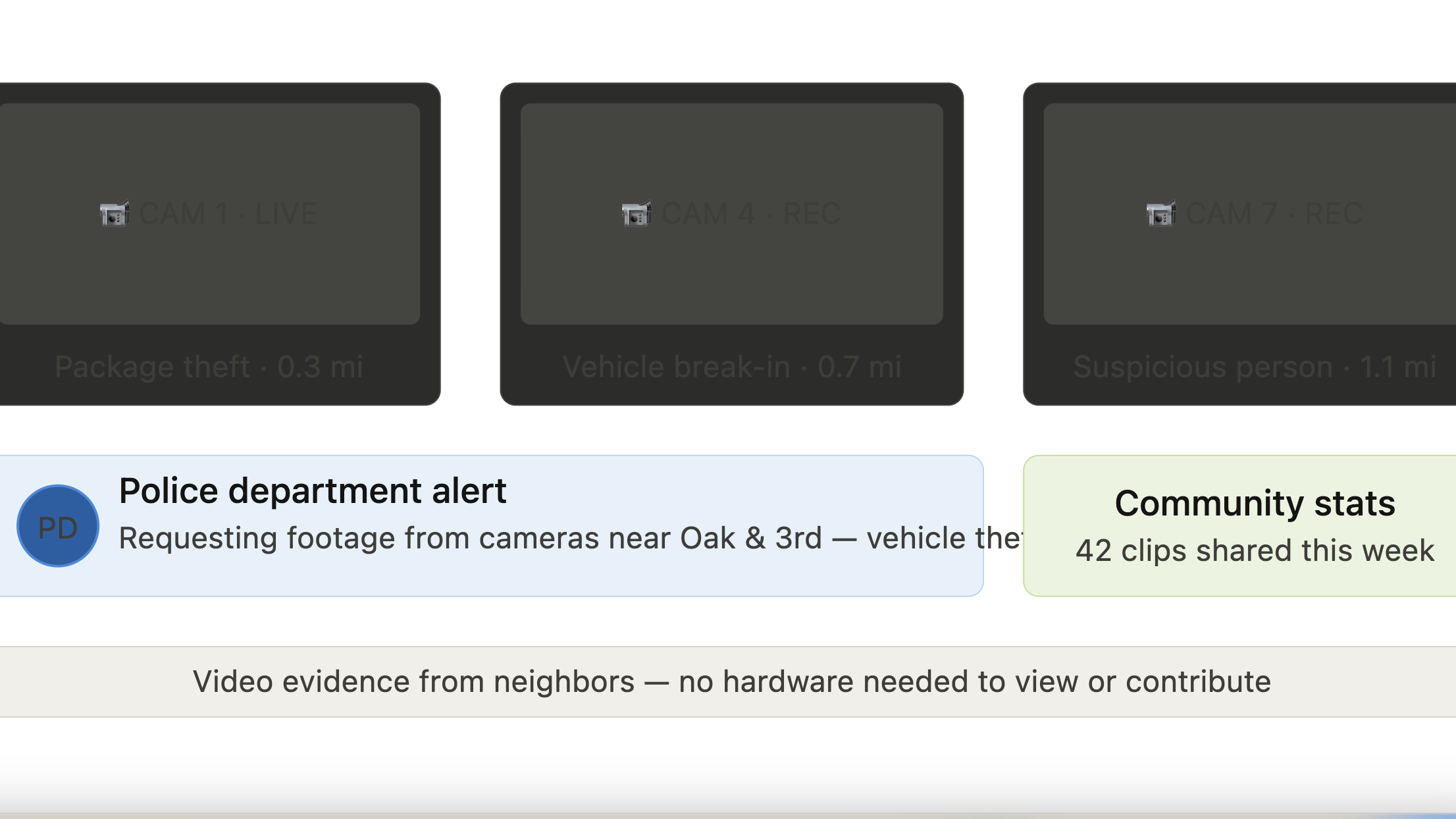
How it Works: From package thefts to vehicle break-ins, you often see the footage rather than just reading about the incident. Police can post alerts or request footage for investigations, helping your community cooperate with law enforcement effectively.
Pros:
Video Evidence: Provides proof instead of speculation.
Police Integration: Encourages collaborative safety efforts.
No Hardware Needed: Anyone can participate.
Cons:
Privacy Concerns: Video sharing and police requests can feel intrusive.
Data Use: Requires significant user input and location data.
Tip: Be mindful of privacy settings and only share clips relevant to safety concerns.
Pricing: Free
If you want objective, historical safety data without the noise of alerts, SpotCrime+ is the go-to. It aggregates reports from police departments, sheriff’s offices, and news outlets to visualize crime trends.
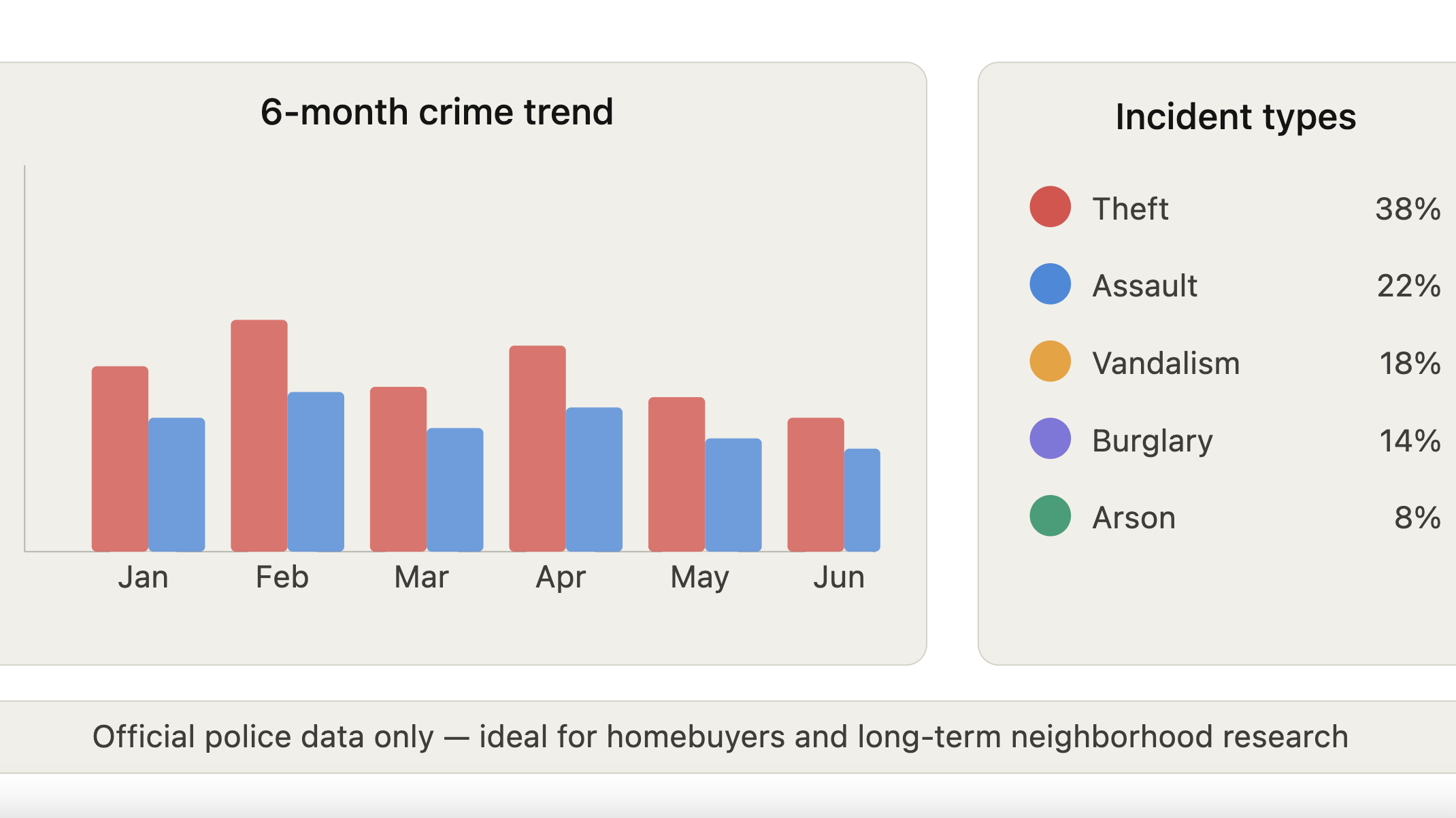
How it Works: SpotCrime+ uses a clean map-based interface to highlight incidents by type—assault, theft, arson, etc.—allowing you to identify patterns and make informed decisions about where to live or walk.
Pros:
Data-Driven: Relies on official sources, not hearsay.
Simple Interface: Map icons clearly convey incident types.
Transparency: Great for assessing neighborhood safety trends over time.
Cons:
Reporting Gaps: Depends on local law enforcement updates; incomplete data may create blind spots.
No Community Features: Lacks social interactions or user commentary.
Tip: Pair with real-time apps to fill gaps; SpotCrime+ excels in planning rather than immediate alerts.
Not every user needs the same type of neighborhood safety tool. The best app often depends on what you're trying to accomplish.
If you frequently walk, jog, or commute at night, real-time awareness is likely your top priority. In that case, Citizen's instant alerts can provide valuable information about incidents occurring nearby, allowing you to make informed decisions about your route.
If you've recently moved to a new neighborhood, Nextdoor may be the better starting point. Learning about recurring parking issues, local scams, seasonal events, or neighborhood concerns can help you understand the community much faster than official crime statistics alone.
For homeowners who have invested in security cameras or smart home devices, Neighbors by Ring offers an additional layer of visibility. Seeing actual footage of incidents can provide context that text-based reports often lack.
Meanwhile, prospective homebuyers and renters may find the most value in SpotCrime+. Looking at historical crime patterns over several months can reveal trends that aren't obvious during a brief visit to a neighborhood.
The reality is that these apps are not necessarily competing with one another. Instead, they often complement each other by providing different perspectives on local safety.
While neighborhood safety apps can be useful tools, they should not be viewed as perfect representations of what's happening around you.
Real-time alert platforms sometimes report incidents before all facts are available. Community forums can occasionally amplify rumors or misunderstandings. Even official crime databases may contain delays because information needs to be verified and processed before publication.
It's also important to remember that an alert-heavy map does not automatically mean an area is unsafe. Densely populated neighborhoods naturally generate more reports, emergency calls, and community discussions than smaller residential areas.
For this reason, safety apps work best when combined with common sense, local knowledge, and information from official sources. Think of them as awareness tools rather than definitive measures of neighborhood safety.
Used responsibly, they can help you stay informed without becoming overly anxious about every notification that appears on your screen.
Combine Tools: Real-time alerts, historical patterns, and neighborhood insight work best together.
Customize Notifications: Avoid alert fatigue by fine-tuning zones or incident types.
Verify with Multiple Sources: Cross-check posts and alerts with official data before panicking.
Share Responsibly: Only post or share verified information to prevent unnecessary fear.
No single app can cover every aspect of neighborhood safety. For urgent, real-time alerts, Citizen leads the pack. To understand the context behind those alerts, Nextdoor adds a human layer that can prevent unnecessary worry. For visual confirmation, Neighbors by Ring is unmatched, and for long-term, data-driven insights, SpotCrime+ offers clarity.
By using a combination of these apps, you can stay informed, prepared, and proactive—without letting notifications dominate your life.
Are you using apps to monitor your neighborhood, or are you researching potential areas before moving?