

Few travel experiences are as frustrating as standing in a long rental-car line after a flight, only to discover unexpected fees, vehicle shortages, or lengthy paperwork.
In response, a growing number of app-based car rental services have embraced a different model: book through an app, unlock the vehicle digitally, and drive away without visiting a rental counter.
These services are particularly attractive in major metropolitan areas, college towns, business districts, and popular tourist regions where short-term vehicle access often matters more than traditional airport rentals.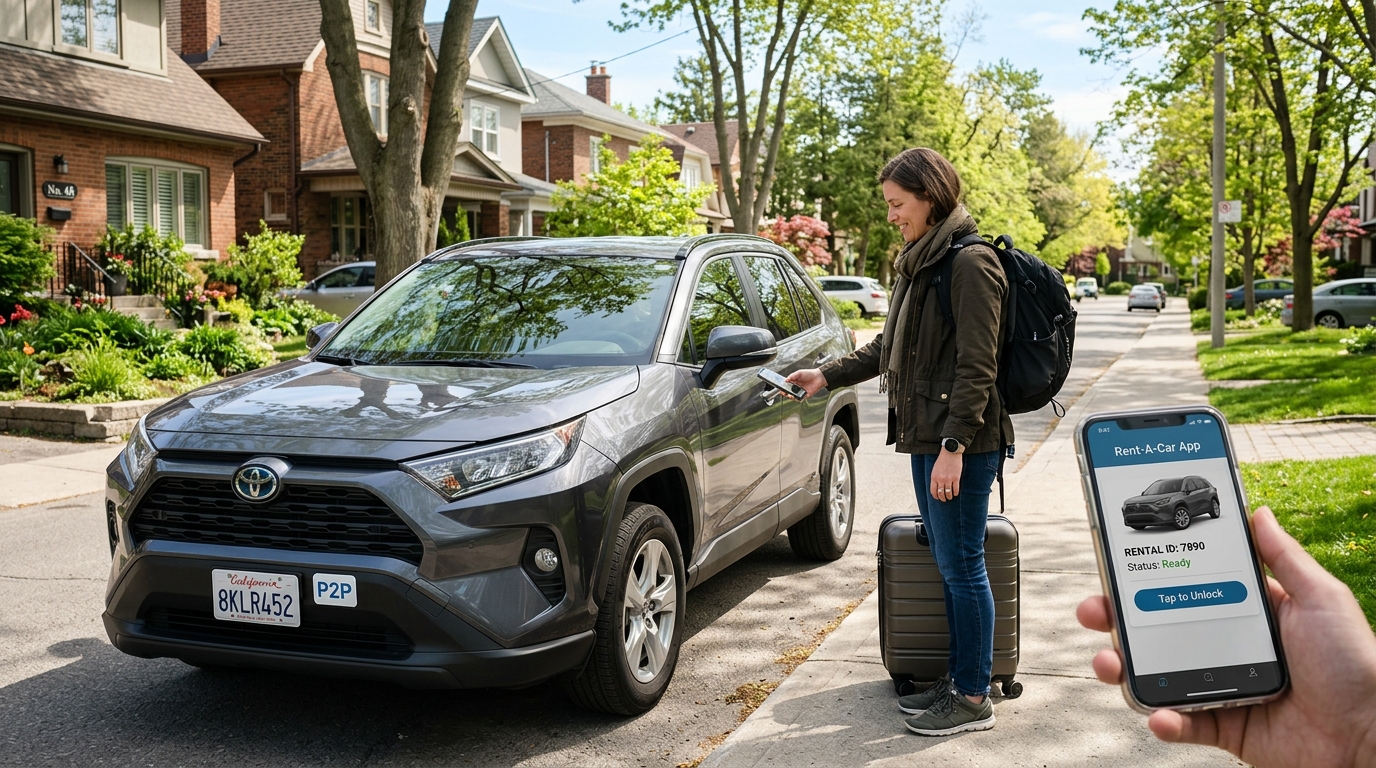
To identify the best options, several apps were evaluated based on four criteria:
Availability of counter-free pickup
Regional coverage across the United States
Pricing transparency
Overall booking experience
The following apps consistently delivered the strongest results.
Turo has become the largest peer-to-peer car-sharing marketplace in the United States.
Instead of renting from a traditional fleet operator, users rent directly from vehicle owners. Many listings now support contactless pickup, allowing renters to verify identity through the app and access the vehicle without meeting the owner in person.
During testing, Turo consistently offered one of the widest selections of vehicles, ranging from economical commuter cars to luxury SUVs and specialty vehicles. Its regional coverage is particularly strong in major cities, suburban markets, and popular tourist destinations.
Huge vehicle selection
Frequently competitive pricing
Many contactless pickup options
Strong regional availability
Useful filtering tools
Trip fees can increase total cost
Vehicle quality varies by owner
Insurance choices require careful review
Free app. Users pay rental costs and applicable protection-plan fees per booking.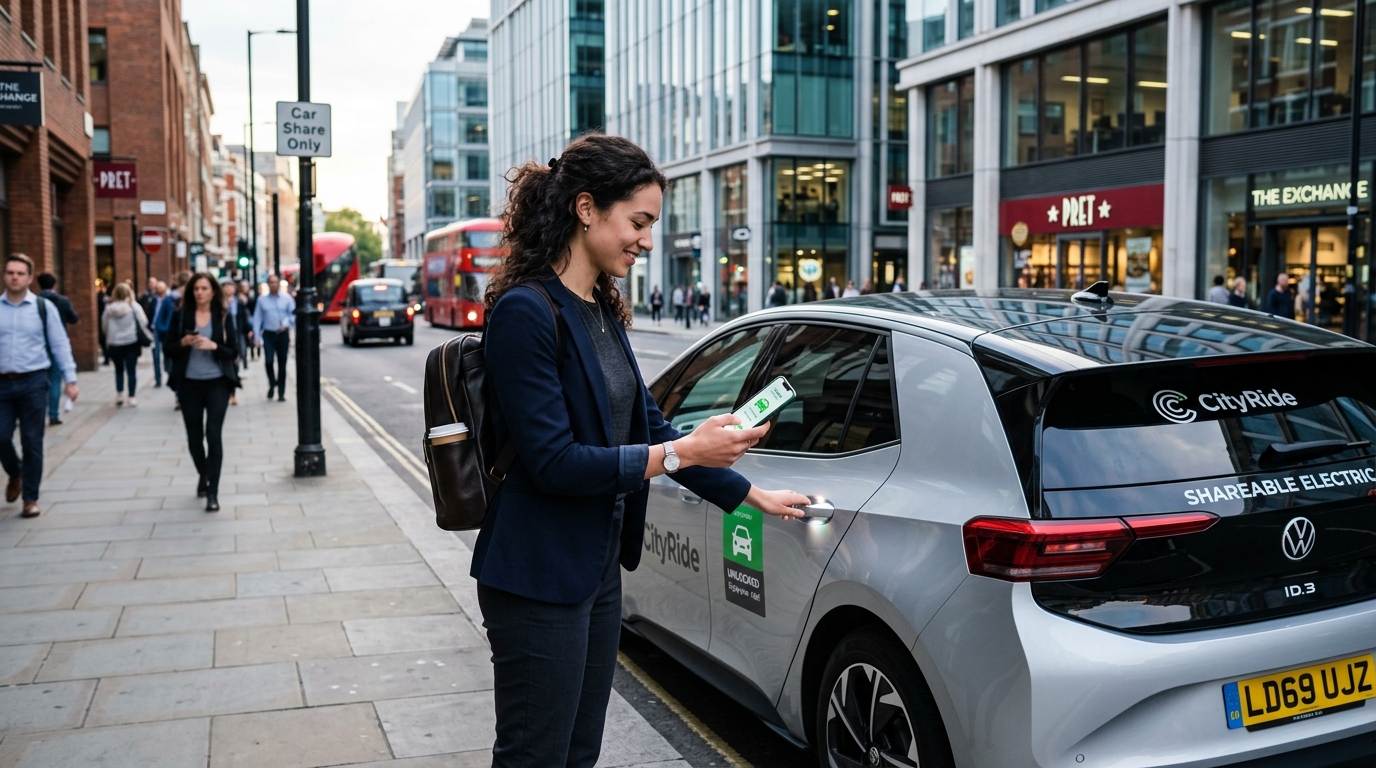
Zipcar remains one of the pioneers of counter-free car rentals.
The service operates dedicated vehicles parked throughout cities, university campuses, and dense urban areas. Reservations, unlocking, and trip management occur entirely through the mobile app.
During testing, Zipcar performed particularly well for short rentals lasting a few hours rather than several days. The convenience factor was excellent, especially in cities where car ownership is expensive or unnecessary.
Fully app-based experience
No rental counter required
Fuel is typically included
Excellent for short-term rentals
Coverage is concentrated in larger metro areas
Vehicle selection is limited compared to Turo
Membership fees may apply
Free app with rental charges and membership options depending on the plan selected.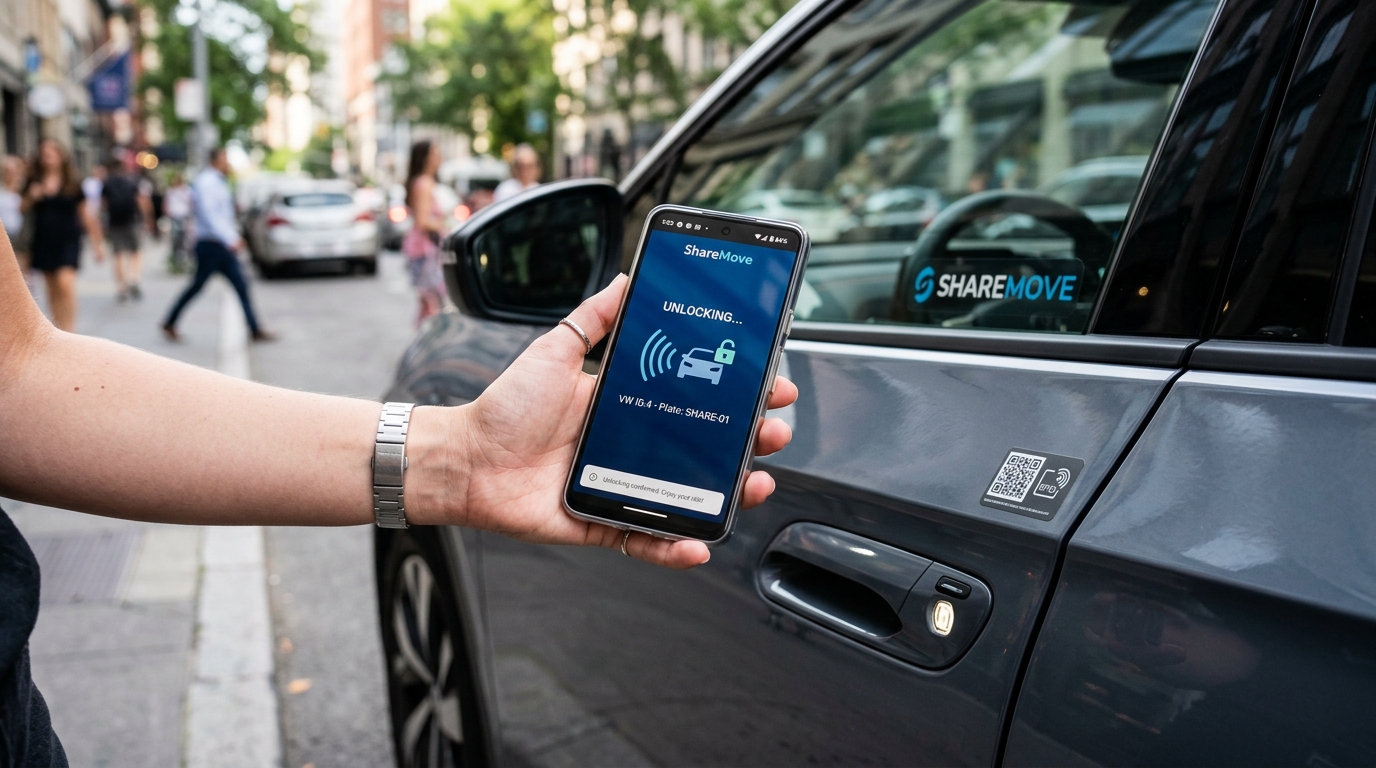
Getaround focuses heavily on digital access.
Its technology allows many vehicles to be unlocked directly through the app, eliminating the need for key exchanges or rental counters. During testing, the experience felt closer to using a car-sharing service than a traditional rental company.
The platform performs best in larger metropolitan markets where vehicle density is highest.
Contactless rentals
Fast booking process
Good selection in major cities
Hourly and daily rentals available
Availability varies significantly by region
Smaller inventory than Turo in many markets
Pricing can fluctuate substantially
Free app. Users pay rental and protection costs per booking.
Kyte approaches rentals differently.
Rather than requiring customers to visit a counter, Kyte delivers and retrieves vehicles at a location chosen by the renter. In supported cities, this creates an experience that feels remarkably convenient.
During testing, the service worked especially well for travelers staying in urban neighborhoods rather than near airports.
Vehicle delivery and pickup service
No rental counter visit
Straightforward booking experience
Particularly convenient in supported cities
Coverage remains limited compared to national competitors
Vehicle selection varies by market
Pricing can be higher during peak demand
Free app. Users pay rental costs and delivery-related fees where applicable.
Free2move combines car-sharing and rental functionality in a single platform.
Available in select U.S. cities, the app allows users to locate nearby vehicles, reserve them through the app, and access them without interacting with a rental counter.
During testing, it worked best for urban mobility and short-term transportation needs rather than extended road trips.
Counter-free vehicle access
Flexible rental durations
Good urban convenience
Easy app experience
Limited city availability
Smaller fleet than larger competitors
Less suitable for long-distance travel
Free app. Rental charges vary by vehicle and location.
For travelers seeking affordable local car rentals without visiting a rental counter, Turo emerged as the strongest overall option.
Its combination of nationwide availability, broad vehicle selection, flexible pickup options, and competitive pricing consistently made it the most versatile platform during testing.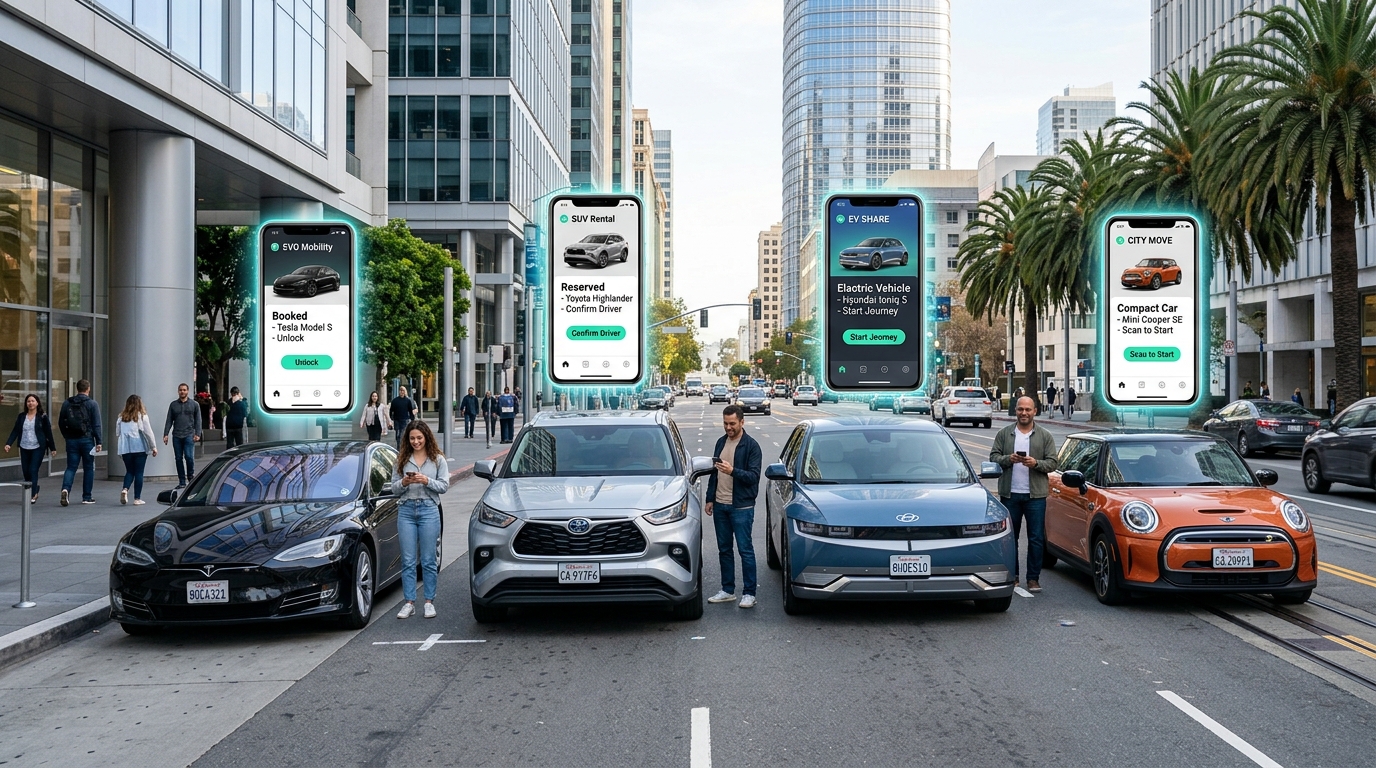
However, the best choice depends on the type of trip:
Turo for multi-day rentals and maximum vehicle choice
Zipcar for hourly urban rentals
Getaround for fully digital vehicle access
Kyte for travelers who want cars delivered directly to them
Free2move for quick city-based transportation
The most notable takeaway from testing was that traditional rental counters are no longer the only option. In many U.S. regions, app-based services now offer a faster, more flexible, and sometimes less expensive alternative to conventional car-rental experiences.
For travelers prioritizing convenience and digital-first booking, these platforms represent some of the strongest options currently available.