

Making friends as an adult is oddly complicated.
Maybe you've moved to a new city. Maybe your old friend group has drifted in different directions. Or maybe you're simply at a point where you'd rather spend a Saturday morning hiking a local trail or building something in a woodworking shop than endlessly scrolling through social media.
The hard part isn't finding people. It's finding the right people.
Most social platforms are built to keep you consuming content, not building genuine relationships. What many people actually want is something much simpler: a community centered around shared interests, mutual respect, and activities that happen in the real world.
Whether you're searching for fellow board-game enthusiasts, outdoor adventurers, creative makers, or community volunteers, these apps make it much easier to connect with people who share more than just a ZIP code.
Bumble For Friends has come a long way from being viewed as the "friendship version" of a dating app. Today, it's one of the most polished platforms available for people who are intentionally looking to expand their social circle.
What makes it work is the level of specificity. Users can highlight hobbies, interests, and lifestyle preferences right from the start, making it easier to find someone who actually wants to spend their weekends the same way you do. Into climbing? Book clubs? Local volunteer projects? Those shared interests become the foundation of the connection instead of an afterthought.
The photo verification system also helps remove a lot of the uncertainty that exists on other platforms. You know you're talking to a real person before you ever send a message.
Free to download and use, with optional premium features for expanded filtering and visibility.
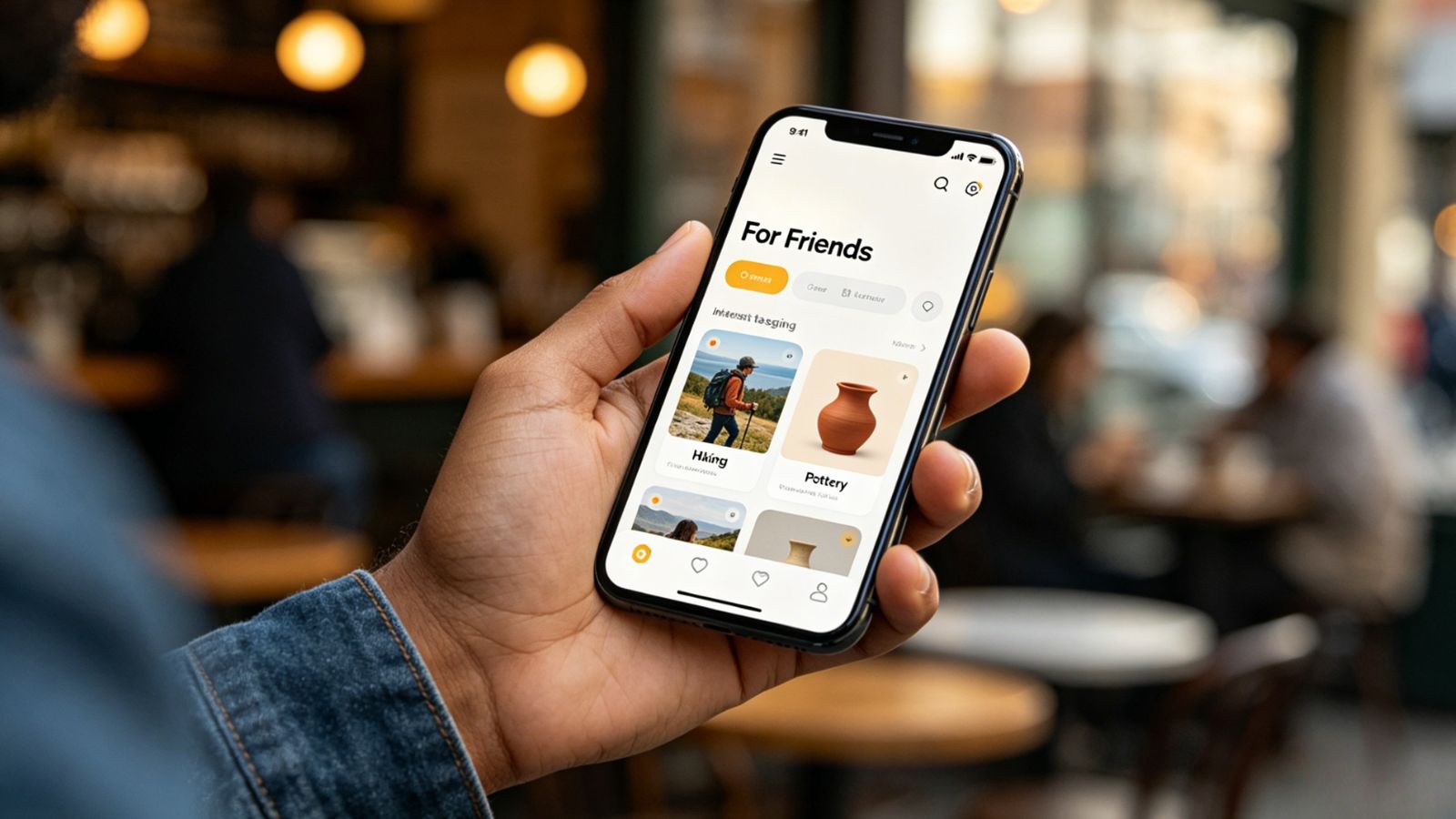
Strong focus on friendship rather than dating.
Clean, modern interface that feels welcoming rather than overwhelming.
Interest filters help surface people with genuinely similar hobbies and lifestyles.
Photo verification adds an extra layer of trust.
The larger user base can be both a blessing and a curse—you'll get better results if your profile clearly communicates your interests and personality.
Some conversations may require initiative to move from chatting to actually meeting in person.
If your goal isn't simply meeting people but joining an existing community, Meetup is still one of the strongest platforms available.
Rather than matching individuals together, Meetup revolves around groups. That's an important distinction. You're not starting from scratch with every interaction. Instead, you're stepping into communities that already share a common interest, whether that's photography, urban hiking, tabletop gaming, language exchange, environmental conservation, or just about anything else you can imagine.
One of the biggest advantages is that you can get a feel for a group's personality before showing up. Event photos, member discussions, and attendance history often reveal whether a group feels welcoming, active, and aligned with what you're looking for.
Free for most users. Some organizers may charge small fees to help cover event costs.

Excellent for discovering established hobby-based communities.
Makes it easy to transition from online interaction to real-world activities.
Allows you to evaluate a group's culture before attending.
Activity levels vary widely depending on your city.
A great organizer can create an incredible community, while a disengaged organizer can make even a large group feel stagnant.
Meeting one new person can sometimes feel surprisingly intense. That's exactly the problem We3 tries to solve.
Instead of matching people in pairs, the platform introduces users in groups of three. It sounds simple, but it changes the dynamic dramatically. Conversations feel more relaxed, social pressure drops, and there's less of that awkward "job interview for friendship" energy that can happen during one-on-one meetups.
The app's matching system also looks beyond surface-level interests, incorporating personality traits, values, and social preferences when creating groups.
For introverts especially, it's a refreshingly low-pressure approach.
Free with optional premium features available through subscription plans.
Group introductions feel more natural than one-on-one meetings.
Strong emphasis on personality compatibility.
Particularly appealing for people who find traditional networking exhausting.
The user base is smaller than larger friendship apps.
Good matches can take time, so patience is part of the process.

Most people think of Nextdoor as a place for neighborhood updates, lost pets, or local recommendations. Hidden beneath that reputation is a surprisingly useful tool for finding nearby people who share your interests.
Whether it's gardening, running, woodworking, home brewing, birdwatching, or community volunteering, many neighborhoods have active groups built around specific hobbies and activities.
The address verification system creates a stronger sense of accountability than many other social platforms. You're connecting with people who actually live nearby, which makes organizing real-world meetups much easier.
Free and supported through advertising.
Hyper-local connections.
Easier to build friendships that translate into regular in-person activities.
Verified neighborhoods create a stronger sense of trust.
The main feed can occasionally feel noisy.
You'll get the most value by focusing on groups and interest-based discussions rather than general neighborhood conversations.
At first glance, AllTrails doesn't seem like a social app at all. That's exactly why many people overlook it.
For outdoor enthusiasts, though, it can become an unexpected gateway to community. Following local hikers, sharing trail reports, exchanging recommendations, and participating in discussions around specific routes naturally creates connections with people who enjoy the same outdoor experiences.
The friendships that emerge here often feel more authentic because they're rooted in shared adventures rather than profile browsing.
You already know you have something in common before you ever say hello.
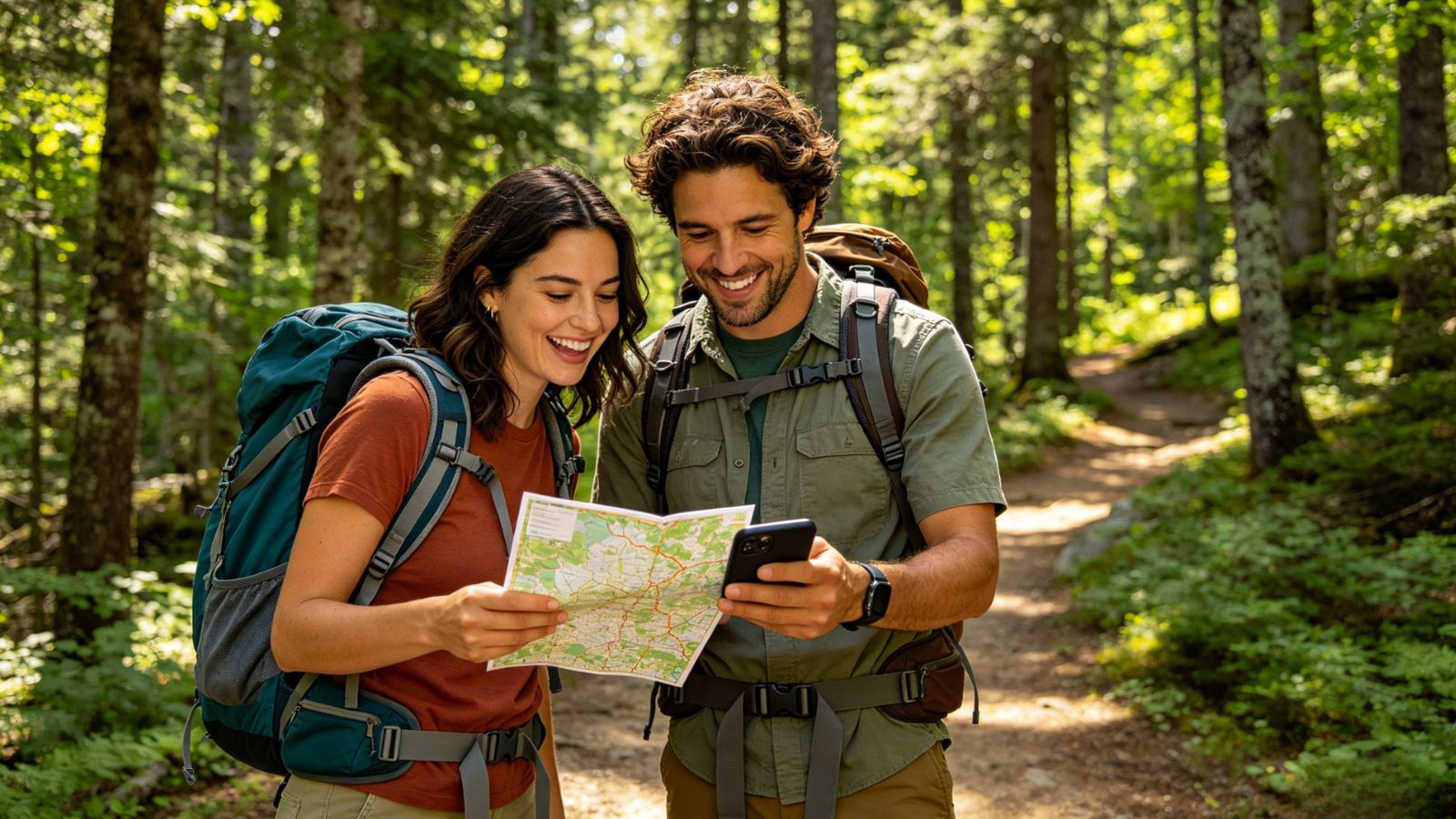
Free for core trail discovery and community features. Premium plans add offline maps and advanced navigation tools.
Connects people through shared experiences rather than matching algorithms.
Attracts users who value outdoor recreation and conservation.
Excellent local trail information and activity insights.
Friendship-building is secondary to the platform's outdoor focus.
Moving from online interaction to real-world meetups typically requires a bit of initiative.
If your goal is straightforward—meet new people and build genuine friendships—Bumble For Friends is probably the easiest place to start. Everyone is there for the same reason, which removes much of the uncertainty that exists on broader social platforms.
For people who care more about joining a thriving hobby community than making individual friend matches, Meetup continues to be the strongest option. It excels at bringing together people around shared interests and real-world experiences.
And if traditional friend-finding apps feel intimidating, We3 offers one of the most thoughtful alternatives available. By introducing people in small groups rather than pairs, it creates a social experience that feels more natural, more relaxed, and often much more enjoyable.
Sometimes finding your tribe isn't about searching harder. It's about putting yourself in the right room—and these apps can help you find it.