

When someone on your street comes home from surgery, welcomes a new baby, or suddenly finds themselves facing a family emergency, people usually want to help.
The problem isn't willingness. It's coordination.
Without a clear system, support efforts can quickly become chaotic. Three families bring dinner on the same night, nobody signs up for the weekend, dietary restrictions get overlooked, and important updates disappear into endless text-message threads.
A good support app solves those problems before they start. It gives neighbors a shared place to organize meals, coordinate errands, manage schedules, and make sure help arrives when it's actually needed.
If you're looking for a mobile-first solution instead of juggling spreadsheets and group chats, these are some of the best options available today.
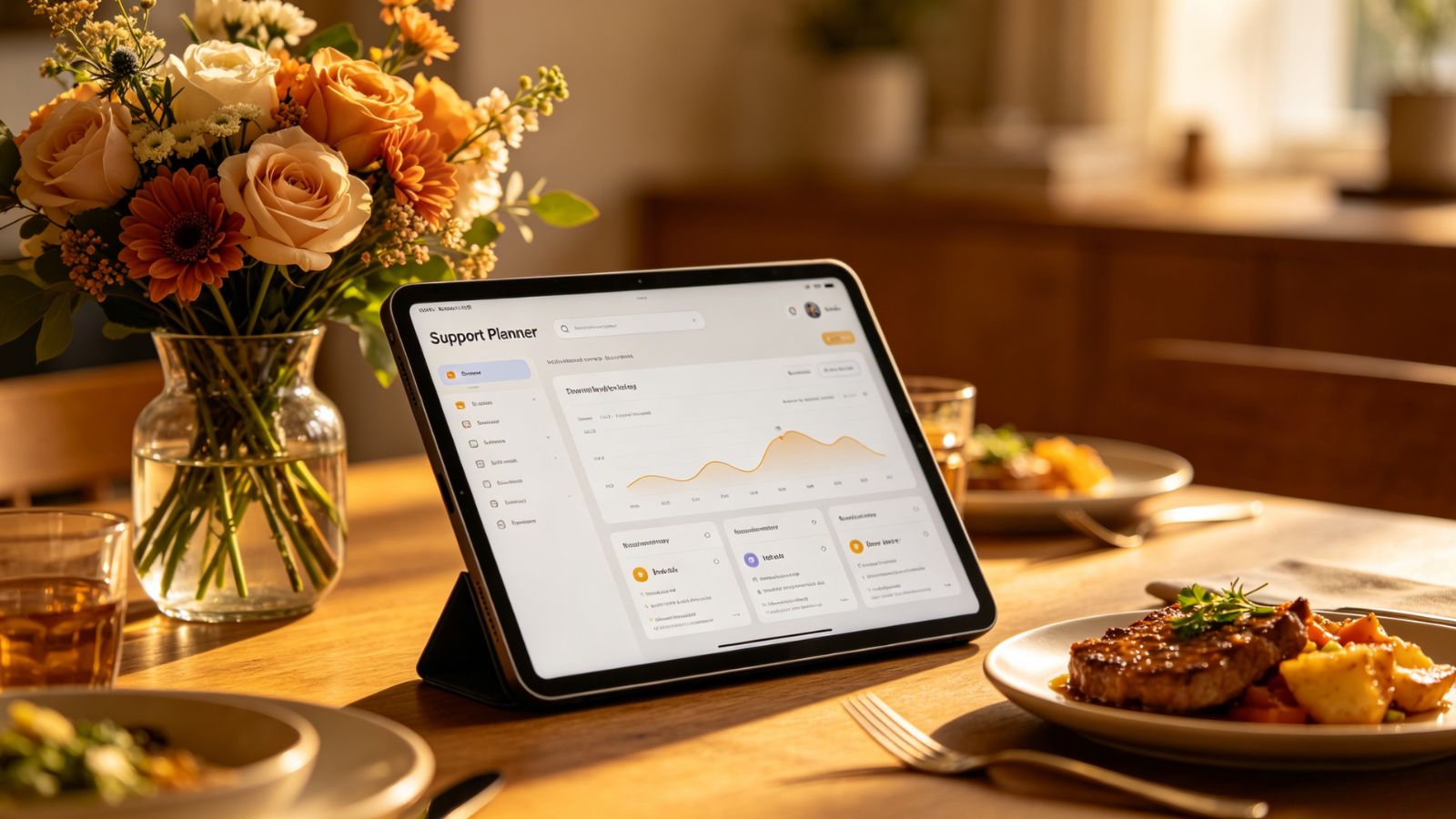
CaringBridge has become one of the most trusted names in community support for a reason.
While many people initially use it to coordinate meal deliveries, the platform was built for much bigger moments. Families dealing with major medical treatments, long recoveries, or ongoing caregiving responsibilities often need help with transportation, childcare, household tasks, and daily logistics—not just dinner.
The Planner feature brings all of those moving pieces into one place. Instead of sending constant updates through multiple channels, families can keep supporters informed while neighbors sign up for specific ways to help.
The result feels less like managing volunteers and more like building a genuine support network.
Free.
CaringBridge operates as a nonprofit and relies on voluntary donations.
Trusted platform with a long-standing reputation
Supports much more than meal coordination
Private environment designed around family care
Excellent for long-term support situations
More robust than many families need for short-term situations
Best suited for major life events and extended recovery periods
Available on: iOS
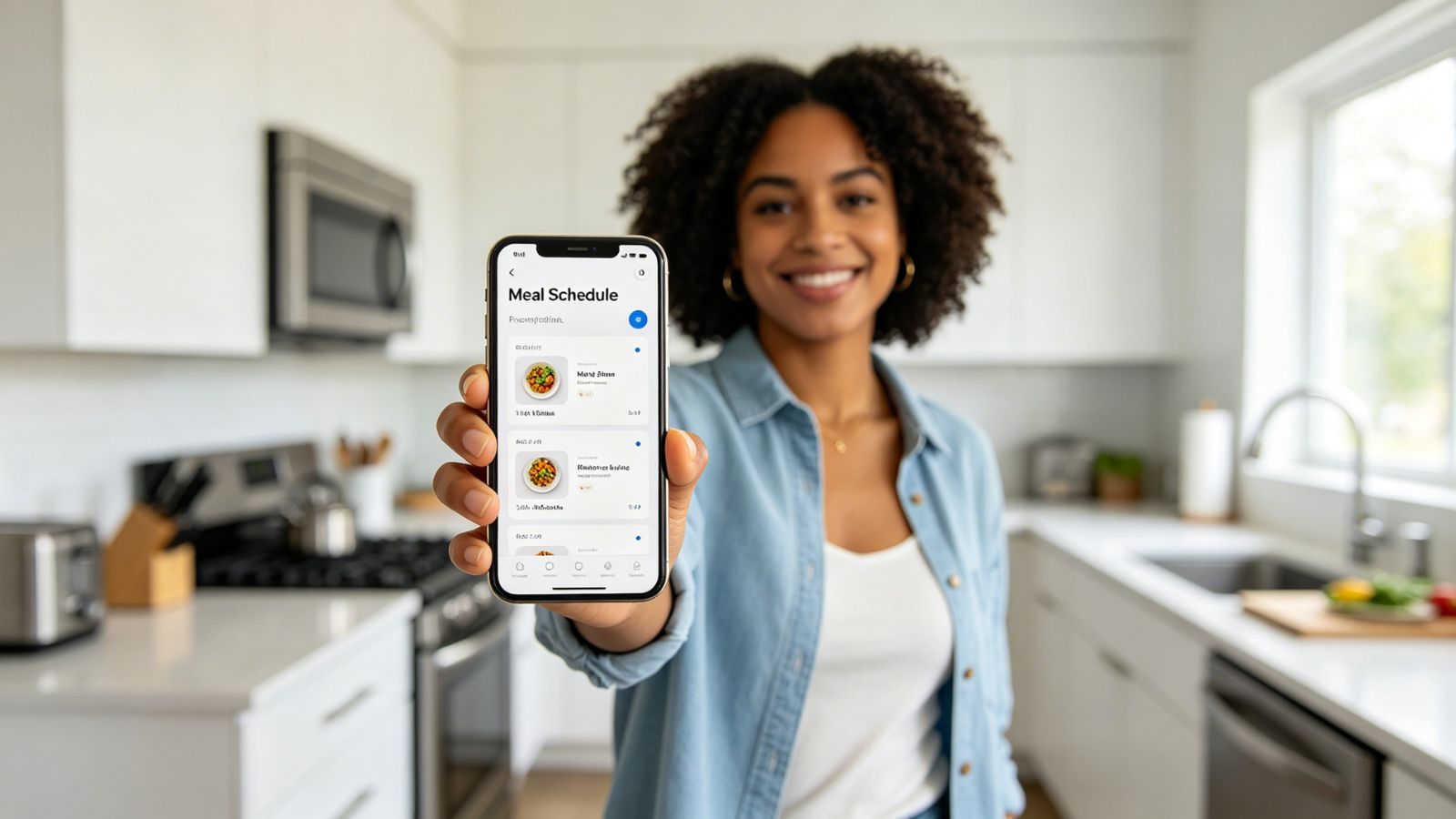
If your goal is simple—get meals organized without the usual confusion—MealUp does that exceptionally well.
Everything revolves around scheduling. Volunteers can see open dates, claim meal slots, receive reminders, and stay updated if plans change. There's no need for endless group texts asking who is bringing food on Thursday or whether someone already volunteered for Sunday dinner.
The experience feels modern and refreshingly straightforward. Open the app, choose a date, and you're done.
For busy neighborhoods and family circles, that simplicity matters.
Free for core meal-train functionality.
Premium features are available for larger coordination needs.
Designed specifically for meal delivery coordination
Helpful push notifications and reminders
Easy for volunteers to understand immediately
Eliminates scheduling confusion
Currently focused on iOS users
You may need to invite neighbors who aren't already using the platform
Almost every school parent, church volunteer, sports organizer, or neighborhood coordinator has crossed paths with SignUpGenius at some point.
That familiarity is its biggest strength.
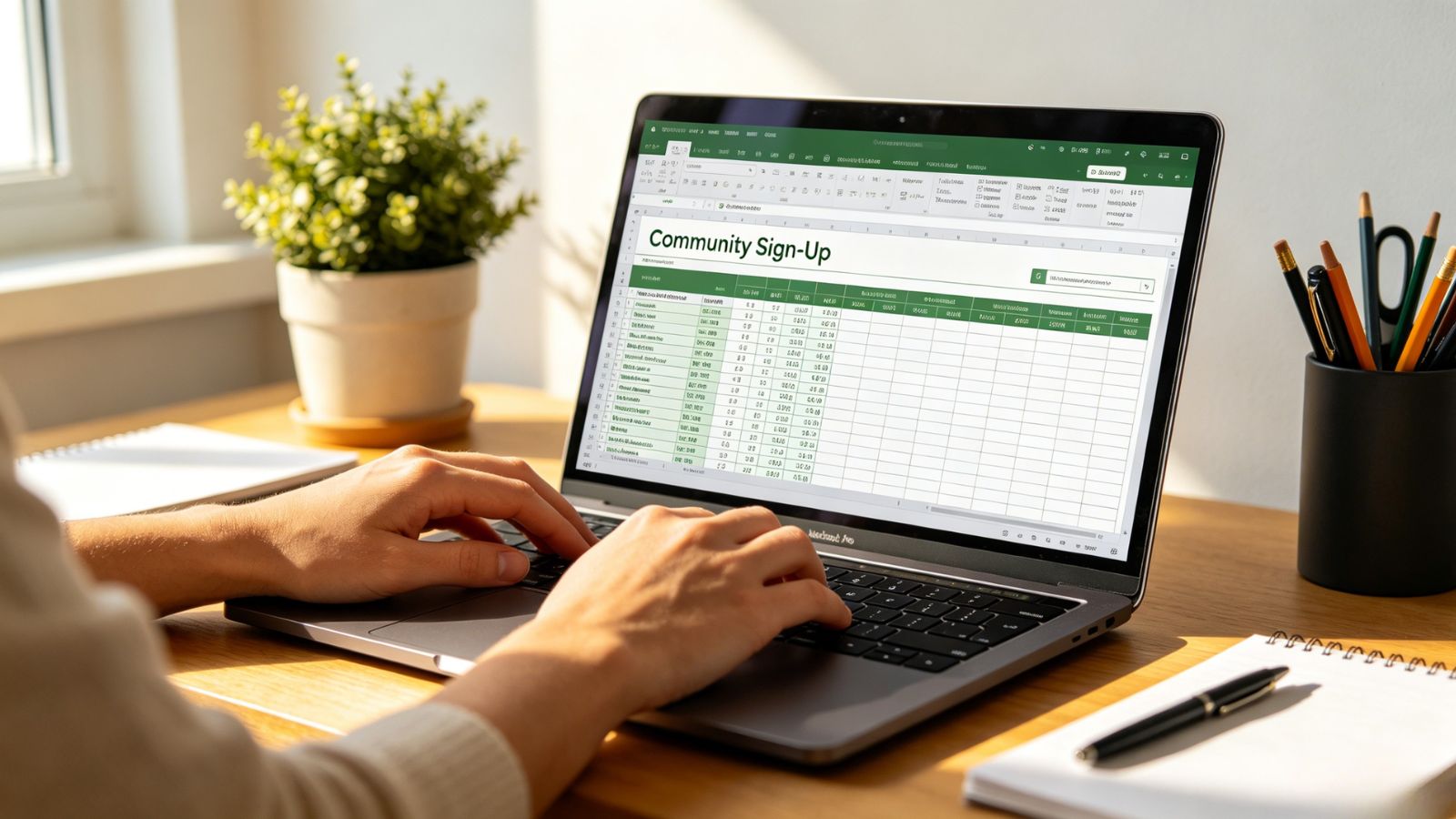
Instead of teaching everyone a brand-new system, you can create a simple signup schedule and start organizing support immediately. Meal deliveries, grocery runs, dog walking, school pickups, yard work—everything can live inside the same schedule.
It's not flashy, but it works. And sometimes that's exactly what a community needs.
Free for most users.
Premium plans are available for organizations that need additional tools.
Widely recognized and easy to adopt
Handles meals and non-meal support equally well
Reliable scheduling system
Minimal learning curve
Feels more administrative than community-focused
Requires manual setup for most details
Some support situations are more complicated than delivering dinner twice a week.
Families managing medications, appointments, treatment schedules, and caregiving responsibilities often need a more comprehensive system. That's where CareZone stands out.
Its shared task management tools make it easy to assign responsibilities, track progress, and ensure nothing falls through the cracks. A meal train can exist alongside medication reminders, transportation schedules, and household tasks without feeling disorganized.
For caregivers balancing dozens of moving pieces, that level of structure can be invaluable.
Free.
Core management tools are available without charge.
Excellent for complex caregiving situations
Secure and organized information sharing
Helps coordinate multiple types of support
Useful beyond meal planning
More setup is required than meal-specific apps
May feel overly detailed for simple neighborhood meal trains
Sometimes the best solution is the one people already know how to use.
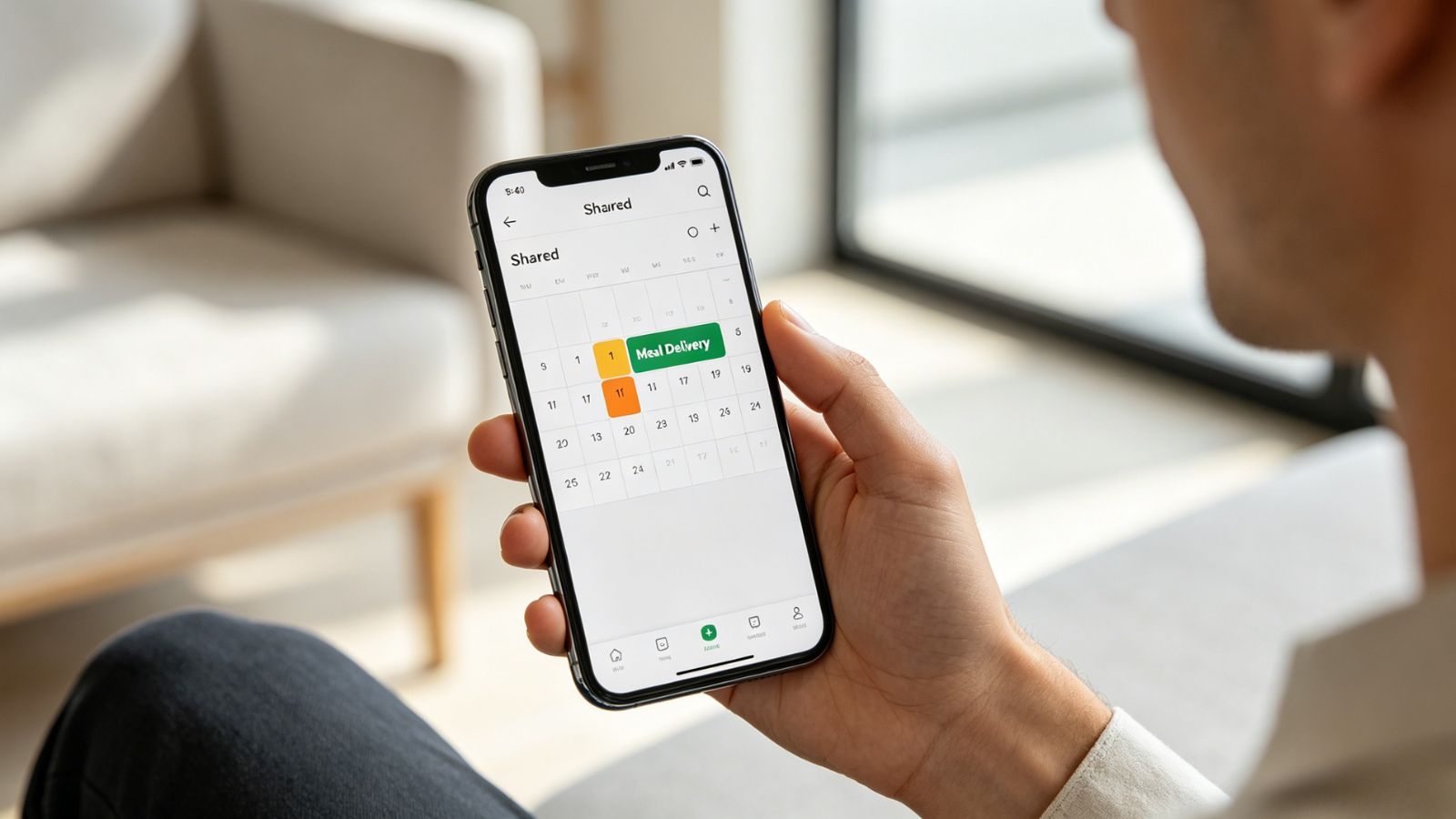
A shared Google Calendar can function surprisingly well as a neighborhood meal train. Families can claim delivery dates, leave notes, update schedules, and receive automatic reminders without downloading another platform.
It's not purpose-built for meal coordination, but its accessibility is hard to beat. Nearly everyone already has access, and almost nobody needs a tutorial.
That convenience alone makes it a practical choice for many communities.
Free.
Available on virtually every device
No learning curve for most participants
Automatic reminders and notifications
Easy to share with large groups
No built-in meal-train features
Dietary preferences and special instructions require manual tracking
Organization depends on how carefully the calendar is managed
The right tool depends less on technology and more on the type of support you're trying to organize.
For families navigating a major medical journey or long-term recovery, CaringBridge remains one of the strongest options available. It was built around real caregiving needs and provides the structure that larger support networks often require.
If meals are the primary focus, MealUp offers the smoothest native-app experience. Everything from scheduling to reminders feels purpose-built for getting food where it's needed without unnecessary complications.
And if your goal is simply to make participation as easy as possible for neighbors, don't overlook Google Calendar. It may not be the most sophisticated solution on the list, but sometimes the best community tool is the one everyone already knows how to use.
At the end of the day, the technology matters far less than the outcome. A warm meal delivered at the right moment can make a difficult week feel a little lighter—and the best app is simply the one that helps your community show up for each other.